
What is abuse?
Abuse is anything that robs another person of their dignity.
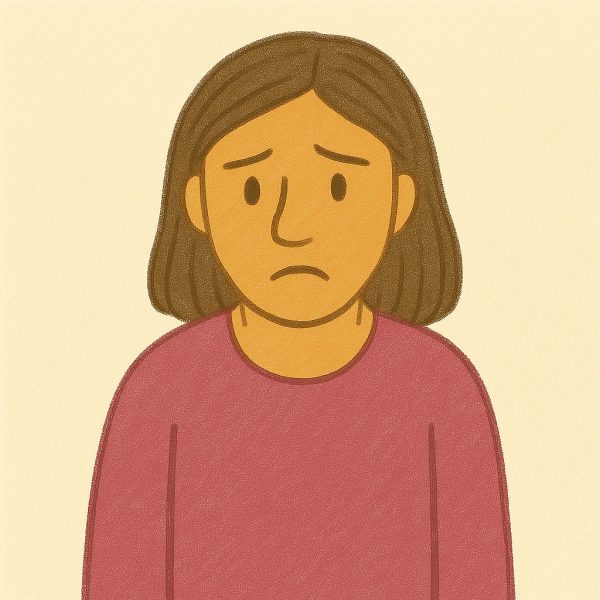
Abuse is anything that robs another person of their dignity.
Abuse knows no social, age or economic boundaries.
It occurs in families, extended families, in neighborhoods, schools, churches and community groups.
Intimidation is abuse. Manipulation is abuse. Harassment is abuse.
Types of abuse include physical, verbal, emotional, sexual, social, economic, intellectual, and spiritual.
Power and Control
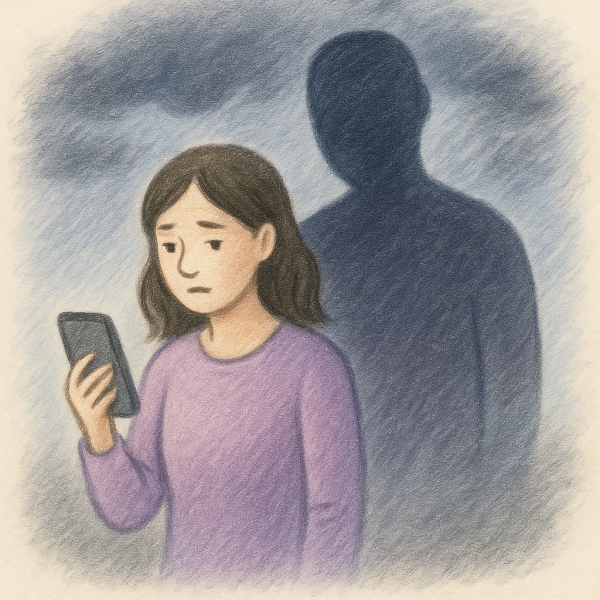
Using Coercion & Threats
- Threatening to harm her or someone she cares about
- Threatening to leave, commit suicide, or report her to authorities or welfare
- Pressuring her to drop charges or stay silent about abuse
- Forcing or convincing her to take part in illegal activities
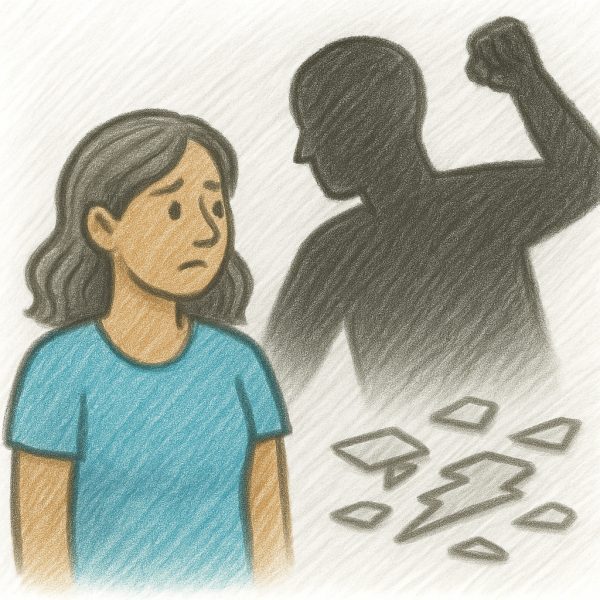
Using Intimidation
-
Frightening her through threatening looks, actions, or gestures
-
Smashing or breaking things to create fear
-
Damaging or destroying her personal belongings
-
Hurting or threatening to hurt pets
-
Showing or displaying weapons to intimidate her

Using Emotional Abuse
- Making her feel worthless or undermining her self-esteem
- Name-calling or using insults to demean her
- Gaslighting or insisting she’s “crazy” to make her doubt herself
- Playing manipulative mind games to control or confuse her
- Publicly humiliating or shaming her
- Blaming her for things that aren’t her fault or making her feel constant guilt

Using Isolation
- Controlling where she goes, what she does, and who she sees or talks to
- Monitoring or restricting her access to communication or information
- Limiting her involvement with friends, family, or community activities
- Using jealousy as an excuse to isolate her or control her actions

Minimizing, Denying and Blaming
- Downplaying the abuse or dismissing her feelings and concerns
- Denying that the abuse ever happened
- Refusing to take responsibility for harmful or abusive behaviour
- Blaming her or saying she “caused” the abuse

Using Children
- Making her feel guilty about the children or using them to relay messages
- Using visitation or custody to harass or control her
- Threatening to take the children away
- Undermining her relationship with the children or turning them against her
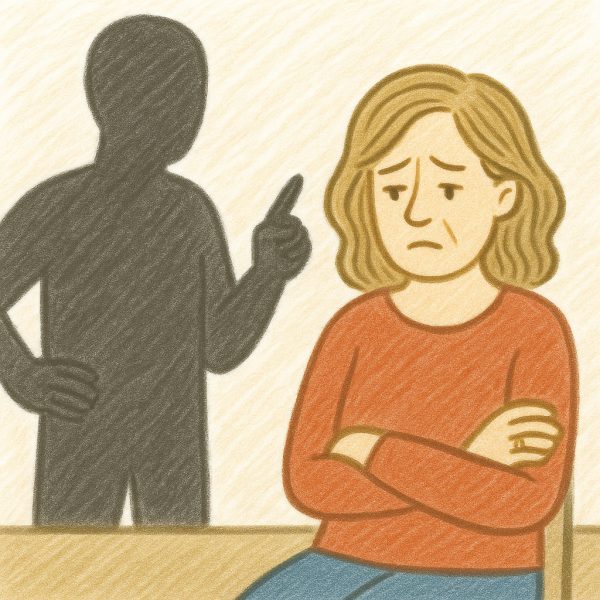
Using Male Privilege
- Treating her like a servant or expecting her to obey his decisions
- Making all the big decisions without her input
- Acting as if he owns her or controls her life
- Defining gender roles in a way that keeps her powerless

Using Economic Abuse
- Controlling the household finances or denying her access to money
- Preventing her from getting or keeping a job
- Taking her money or making her ask for basic needs
- Giving her an allowance or restricting how she spends money
- Using financial dependence to keep her from leaving the relationship
Abuse is NEVER OKAY.
NO ONE DESERVES to be abused.
The children ARE being hurt.
It WON'T just go away.
You ARE NOT alone.
There IS help!
Types of abuse

Physical Abuse
Standing over you, getting "in your face", blocking a doorway, grabbing you if you try to leave, kicking, punching, biting, slapping, choking, threatening to harm you, using weapons, throwing things, punching walls or doors, driving recklessly, burning, cutting, pulling hair, stabbing, strangling, tying or confining you, preventing you from seeking medical care, threatening to harm children or pets and murder.

Emotional Abuse
Insults, put downs, intimidating you, embarrassing you in public, talking down to you, not listening to or respecting your feelings, making threats, being jealous, possessive, controlling; excessive or threatening texts, wanting access to your messages, email, Facebook/MySpace, spying, checking up on you, accusations of cheating, insisting you justify your actions, giving you no privacy, shaming you.

Verbal Abuse
Yelling, shouting, swearing, continuously arguing, interrupting, talking over you, put downs, using loud and threatening language and tone, name calling, intimidating you, mocking you.
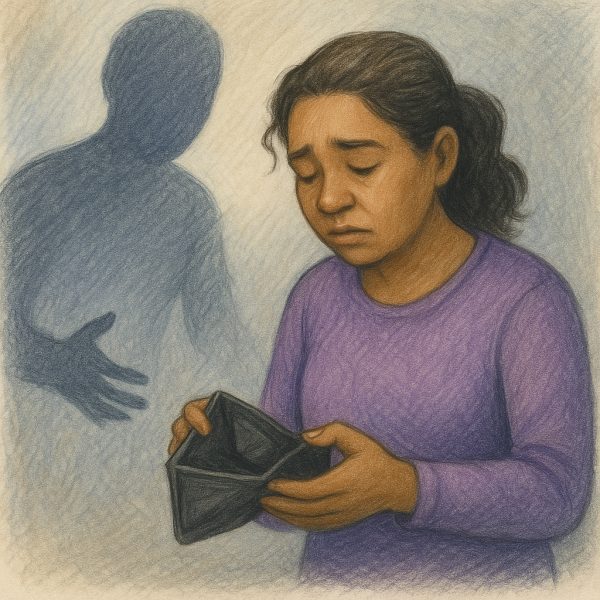
Economic Abuse
Withholding money, opening up a joint account but you don't have access, forcing you to leave your job, forcing you to get fired, shaming you for how you spend your money, not allowing you to work or get an education, putting all the bills/credit cards in your name, preventing you from using a car.

Mental Abuse
Playing mind games with you, twisting everything around so nothing is their fault and all of their behaviour is caused by something you did or didn't do, accusing you of doing things that they are doing, lying, manipulating you for control or sex, distorting reality so you think you are losing your mind.
Sexual Abuse
Rape, unwanted sexual touching, vulgar comments, pressure for sex, forcing you to have unprotected sex, forcing you to get pregnant or to have an abortion, sexting, forcing you to have sex with other people or having sex with someone else and forcing you to watch, forcing you to use or participate in pornography.